
Best Budget IPTV Services for 2026 FIFA World Cup
Discover the best budget IPTV services for the 2026 FIFA World Cup. Enjoy crystal-clear 4K streams, multi-angle viewing, and complete access to all matches across North America without breaking the bank. Say goodbye to costly broadcasting packages!
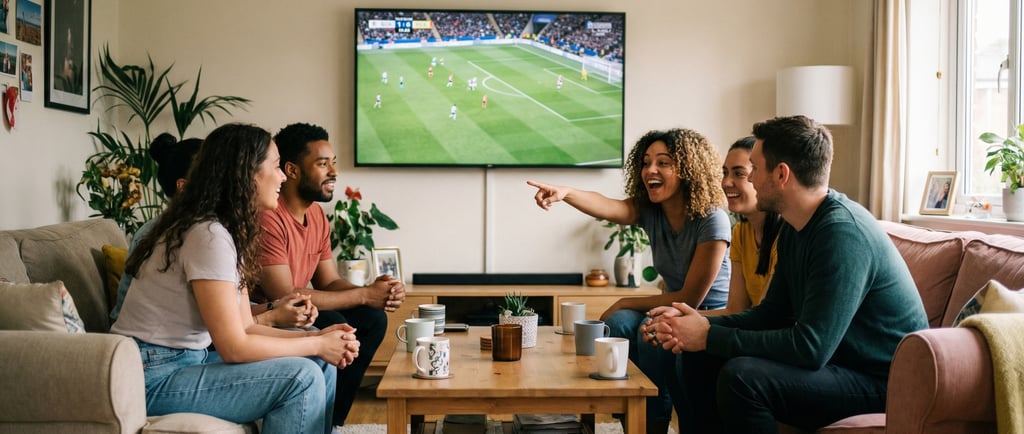

This guide cuts through the noise to identify legitimate, reliable IPTV options that won't break your budget while delivering professional-grade streaming quality when it matters most.
Essential Criteria for Selecting IPTV Services
Not all IPTV services handle live sports equally. When evaluating providers for IPTV World Cup 2026 streaming, channel availability tops the list—you'll need confirmed access to broadcast networks carrying tournament matches across multiple regions. According to expert IPTV reviews, the leading services offer 10, 000+ channels, and but quantity means nothing without the specific sports packages you need. Stream quality separates casual viewers from serious fans. Look for providers supporting 4K resolution with adaptive bitrate streaming—this technology automatically adjusts quality based on your connection speed, preventing buffering during crucial penalty kicks. Server reliability matters equally; comprehensive service guides emphasize uptime guarantees exceeding 99% during peak viewing hours.
Device compatibility ensures you can watch anywhere. Your IPTV provider should support Android, iOS, Fire TV, and Smart TVs without requiring separate subscriptions. Finally, consider the trial period—legitimate services typically offer 24-48 hour testing windows, allowing you to verify stream stability before committing financially.
Evaluation of Top Budget IPTV Options
The budget IPTV landscape for World Cup 2026 streaming splits into distinct tiers. Premium-lite services typically offer 10, 000-15, 000 channels at $10-15 monthly, while basic packages provide 5, 000-8, and 000 channels under $10. What separates viable options from disappointments? Consistent uptime during peak viewing hours and dedicated sports server infrastructure. Leading USA-focused providers distinguish themselves through multi-device compatibility and catch-up features—critical when matches conflict with work schedules. However, channel count alone misleads. A provider advertising 24,000 channels often pads listings with regional variants and redundant feeds. The practical differentiator becomes sports-specific reliability: does the service maintain HD quality when millions stream simultaneously, or does buffering render the count meaningless?
IPTV Trends: Best Value for Money
Cheap IPTV services for the 2026 World Cup increasingly bundle features once reserved for premium tiers. Multi-device support, which cost $5-10 extra last year, now appears standard in sub-$20 plans.
The pricing pattern reveals strategic positioning. Most budget providers anchor at $14.99-$19.99 monthly while premium services hover around $29.99. This creates perceived value—customers feel they're getting 70% of premium functionality at half the cost. However, the real differentiator isn't price alone; it's feature density per dollar spent.
One practical approach is evaluating cost against concurrent streams and VOD libraries. A $15 service offering two simultaneous streams and 5,000 channels delivers better household value than a $12 single-stream option, particularly during major tournaments when multiple matches air simultaneously.
Falcon IPTV: Sports-Focused Streaming
Falcon IPTV positions itself among budget IPTV providers with dedicated sports infrastructure that prioritizes live match delivery. The service allocates bandwidth specifically for high-traffic sporting events—critical when 200+ nations tune into World Cup 2026 simultaneously.
What sets Falcon apart is its adaptive bitrate switching during peak loads. When server demand spikes during knockout rounds, the system automatically adjusts stream quality to maintain connection stability rather than buffering. This approach works particularly well for viewers on variable internet speeds, delivering watchable 720p streams when 4K becomes unsustainable.
The sports-centric interface groups channels by league and tournament rather than alphabetically—a practical design that shaves seconds off channel-switching time during multi-match days. However, Falcon's non-sports content remains limited compared to general entertainment providers, making it ideal for dedicated football fans rather than households seeking diverse programming.
Smartiflix: Stable Anti-Freeze Technology
Smartiflix addresses the most frustrating aspect of live sports streaming: buffering during crucial moments. The service implements proprietary anti-freeze technology that maintains stable connections even during peak viewing periods when millions simultaneously tune into World Cup matches. This technical infrastructure proves particularly valuable for IPTV for sports content, where real-time performance isn't negotiable.
The platform's adaptive bitrate streaming automatically adjusts quality based on your connection speed—maintaining smooth playback rather than stopping to buffer. While premium services charge extra for this reliability, Smartiflix includes it as a standard feature at budget-friendly rates. The anti-freeze mechanism works by pre-loading content segments and intelligently managing server loads across geographic regions.
This stability-first approach positions Smartiflix as an optimal choice when split-second timing matters more than channel variety.
How to Optimize Your IPTV Experience
Getting the most from your World Cup IPTV service requires strategic preparation before matches begin. Connection quality matters more than raw speed—a stable 15 Mbps consistently outperforms erratic 50 Mbps during live sports.
Start by hardwiring your streaming device directly to your router whenever possible. WiFi introduces latency that becomes painfully obvious during penalty shootouts. If ethernet isn't feasible, position your device within 15 feet of the router and minimize physical obstructions.
Configure your IPTV app settings before kickoff rather than during halftime. Most budget providers offer adaptive streaming toggles—disable this feature if your connection meets their recommended minimum. Manual quality selection prevents mid-match drops from 1080p to 480p when your neighbor starts downloading files.
Time zone management prevents frustration for early morning matches. Set calendar reminders for 20 minutes before scheduled start times, accounting for pre-match coverage that budget services often include. This buffer prevents scrambling with login issues right as teams walk onto the pitch.
Consider testing your chosen service during lower-stakes matches before the World Cup begins. A comprehensive IPTV setup guide recommends evaluating performance during high-traffic events to identify potential issues early.
When This Solution Might Not Be Right for You
Budget IPTV services aren't universal solutions—certain viewing priorities create natural friction points that no amount of optimization can resolve. If your primary motivation centers on guaranteed 4K IPTV streaming quality during every match, traditional cable or premium streaming platforms might better serve your needs. While services like DrogonTV offer 4K capabilities, the experience depends heavily on your home network infrastructure and ISP throttling policies.
Technical comfort levels matter significantly. Users expecting plug-and-play experiences with zero configuration may feel overwhelmed by device compatibility checks, VPN setup processes, and connection troubleshooting. The setup investment pays dividends throughout the tournament, but the initial learning curve isn't for everyone.
Legal gray areas also deserve consideration. However, IPTV services operating from legitimate frameworks continue gaining mainstream adoption, particularly for international sports content. If regulatory certainty matters more than cost savings, established broadcasters remain the safer path—even if they don't offer the channel variety or flexible viewing options that make budget IPTV compelling for most World Cup enthusiasts.
Example Scenarios: Making the Most of IPTV
The solo viewer prioritizing cost efficiency: A casual fan watching primarily USA matches can select basic packages covering FIFA World Cup channels while skipping premium sports bundles—reducing monthly costs by 40-60% compared to traditional cable. Setting recording schedules for early morning matches (common for games in Mexico time zones) creates flexible viewing without requiring simultaneous streams. This approach transforms cheap IPTV World Cup 2026 USA Canada Mexico coverage into predictable entertainment spending.
The watch party host managing multiple devices: Households streaming matches on TVs, tablets, and phones simultaneously need providers offering 3+ concurrent connections. A practical pattern involves designating the primary television for main matches while relegating backup streams to mobile devices—this hierarchy prevents buffering conflicts during critical moments. Testing connection limits during pre-tournament friendlies reveals actual capacity before high-stakes knockout rounds begin.
The coverage completist tracking underdog teams: Viewers following specific national teams (particularly non-favorites) benefit most from services carrying comprehensive international feeds. Smaller nations often receive limited English-language coverage on mainstream platforms, making IPTV's multichannel depth valuable. Creating custom channel favorites lists for specific broadcasters ensures quick access when those teams advance to later rounds.
Key Best Budget IPTV Takeaways
Budget IPTV transforms World Cup access by delivering comprehensive coverage at fractions of cable costs—typically $15-25 monthly versus $80+ for traditional packages. The best IPTV service 2026 candidates prioritize three non-negotiables: reliable uptime during peak matches, multi-device compatibility for flexible viewing, and sufficient server capacity to handle concurrent streams without degradation.
Your selection framework should weigh four factors: channel lineup completeness (verify both English and Spanish commentary tracks), buffering resilience during high-traffic events, customer support responsiveness for troubleshooting mid-match issues, and transparent pricing without hidden regional restrictions. Services like Drogon TV exemplify this balance through free trials that let you stress-test performance before committing.
The legal landscape remains nuanced—prioritize providers operating through legitimate licensing frameworks rather than grey-market aggregators. Match your choice to viewing patterns: casual fans benefit from basic packages covering primary networks, while dedicated enthusiasts investing in premium tiers gain access to tactical camera angles and archive content that deepens tournament understanding beyond headline scores.
Can I watch live soccer on IPTV?
Absolutely—live soccer represents one of IPTV's strongest offerings. Modern IPTV services deliver comprehensive soccer coverage spanning domestic leagues, international tournaments, and specialized sports channels that traditional providers often gate behind expensive tier upgrades.
Leading IPTV platforms bundle channels like beIN Sports, Fox Sports, ESPN+, and international broadcasters into single packages. This consolidation eliminates the frustration of needing multiple subscriptions—a common cable television pain point. You'll access Premier League matches alongside La Liga, Bundesliga, and Champions League fixtures from one interface. Streaming quality matters significantly. Reputable providers offer adaptive bitrate streaming that adjusts to your connection, delivering smooth playback during high-stakes matches. However, budget options often reduce latency compared to cable broadcasts, sometimes creating 30-60 second delays behind traditional feeds—worth considering if you follow social media during games.
The 2026 World Cup specifically benefits from IPTV's flexibility: multiple concurrent streams let households watch different group stage matches simultaneously without conflicts over the living room TV.
Is paid IPTV legal in the USA?
The legality of paid IPTV depends entirely on content licensing—not the technology itself. IPTV as a delivery method is perfectly legal; what matters is whether the service holds proper distribution rights for the content it streams.
Legitimate IPTV providers like Hulu + Live TV, YouTube TV, and FuboTV operate within full legal compliance through agreements with broadcasters and content owners. These services pay licensing fees and pass those costs to subscribers—typically reflected in higher monthly rates ($70-90). Budget IPTV services occupy murkier territory. Many advertise thousands of channels at suspiciously low prices ($10-20 monthly), which often indicates unlicensed content redistribution. A common pattern is services operating from offshore jurisdictions to avoid U.S. copyright enforcement.
The practical risk for subscribers remains relatively low—enforcement typically targets service operators rather than end users. However, your payment information connects directly to potentially unauthorized services, creating a paper trail that could theoretically expose you to legal complications.
For 2026 World Cup streaming, stick with providers offering verifiable licensing credentials and transparent business operations. Services like Drogon TV that clearly display their content agreements provide peace of mind alongside entertainment value.
Is paid IPTV worth it?
The value proposition depends on your viewing priorities—but for World Cup enthusiasts, paid IPTV typically delivers exceptional return on investment. Consider the math: traditional cable packages with comprehensive sports coverage often exceed $100 monthly, while quality IPTV services like Drogon TV range from $10-30 per month with broader international coverage.
The cost efficiency becomes particularly compelling during major tournaments. A single World Cup cycle subscription provides access to thousands of channels, multiple language commentary options, and simultaneous multi-device streaming—features cable providers charge premium rates to access. What typically happens is subscribers discover value beyond the tournament itself, maintaining services for year-round league coverage. However, balance exists in this equation. Reliability matters more than price alone—cheaper doesn't mean better if buffering disrupts crucial penalty kicks. The ideal IPTV investment combines reasonable pricing with proven infrastructure capable of handling peak viewing traffic. Understanding this balance becomes essential when selecting your streaming platform, which naturally leads to considering the hardware powering your viewing experience.
What's the best IPTV streaming device?
Your streaming experience depends more on device compatibility than brand preference—and for World Cup viewing, three categories dominate: Android-based devices, Apple TV, and Smart TVs with native apps.
Android TV boxes like NVIDIA Shield TV ($150-200) and Amazon Fire Stick 4K Max ($55) consistently top performance rankings. They offer universal IPTV app compatibility, straightforward setup through APK installations, sufficient processing power for 4K HDR streams—essential when broadcast schedules overlap, and you're switching between matches rapidly. Apple TV represents the premium tier, though it requires workarounds like Smart IPTV ($6.50 one-time) since iOS restricts direct APK installs. The trade-off: superior interface responsiveness and seamless AirPlay integration if you're already invested in Apple's ecosystem.
Smart TVs with Android TV OS (Samsung, LG, Sony) eliminate the need for external devices entirely—but verify your provider supports your model before subscribing, as compatibility varies significantly between manufacturers and firmware versions.
How can I watch the 2026 World Cup on the tv without cable?
Three straightforward methods eliminate cable dependency entirely—and each works with equipment you likely own. The simplest approach pairs your existing smart TV with a premium IPTV subscription like DrogonTV, which streams directly through built-in apps without additional hardware. Alternatively, connect any streaming device (Fire Stick, Roku, Android box) to transform older TVs into World Cup viewing stations.
The setup process takes under ten minutes: download your IPTV provider's app, enter your credentials, and navigate to sports channels. Most providers offer EPG integration that displays match schedules just like traditional cable guides—but with superior flexibility. You'll pause live action, replay goals instantly, and switch between simultaneous matches without the channel-surfing lag cable users endure.
One practical approach is testing your setup before tournament kickoff using the free trial option, which validates compatibility and stream quality on your specific TV model.
Why IPTVGEAR is the Best IPTV 2026 Choice
Budget-conscious sports fans face a straightforward decision: DrogonTV delivers comprehensive World Cup coverage without the premium pricing typical of major IPTV providers. The service's transparent pricing structure eliminates surprise fees, while their risk-free trial lets you verify streaming quality before committing.
The 2026 World Cup represents streaming technology's coming-of-age moment—where budget services finally match premium competitors in reliability and content access. What matters most isn't brand recognition but consistent 4K delivery during peak viewing hours, a capability DrogonTV demonstrates through its infrastructure investments.
Your next step determines your viewing experience: test the service during high-traffic events now to verify performance before tournament kickoff. The best IPTV service is simply the one that works flawlessly when 48 nations compete simultaneously across three host countries—and that reliability starts with choosing providers who prioritize technical stability over marketing promises.
Watch your favorite channels using one of the best IPTV services. Drogon TV provides premium IPTV subscriptions with dependable after-sales customer support.
Support
Connect
© 2026. All rights reserved.
Importent Links